
How Heat Exchanger Tubes Improve Thermal Performance Across Industries
From commercial air conditioning systems and refrigeration equipment to power plants and chemical processing facilities, heat exchangers are among the most important pieces of equipment in modern industry. At the heart of every heat exchanger is one critical component: the heat exchanger tube. While these tubes may appear simple, they are carefully engineered to maximize heat transfer, improve energy efficiency, and provide years of reliable service under demanding operating conditions.
Whether you're designing new equipment, replacing worn components, or sourcing materials for a manufacturing project, understanding how heat exchanger tubes work can help you make better decisions. The right tubing not only improves thermal performance but can also reduce operating costs, extend equipment life, and improve overall system efficiency.
What Are Heat Exchanger Tubes?
A heat exchanger tube is a hollow metal tube designed to transfer heat from one fluid to another while keeping the two fluids physically separated. One fluid flows through the inside of the tube while another flows across the outside. As the hotter fluid comes into contact with the tube wall, thermal energy naturally moves through the metal into the cooler fluid. Because the fluids never mix, the process is both safe and highly efficient.
This simple principle is responsible for countless industrial and commercial processes. Every time an office building is cooled during the summer, a manufacturing process is temperature-controlled, or a power plant converts steam back into water, heat exchanger tubes are doing the work behind the scenes.
The efficiency of these tubes directly affects the performance of the entire heat exchanger. Better heat transfer means less energy consumption, smaller equipment, lower operating costs, and improved reliability.
How Heat Exchanger Tubes Work
Heat always moves from a warmer object to a cooler one. Heat exchanger tubes take advantage of this natural phenomenon by placing two fluids of different temperatures on opposite sides of a conductive metal wall.
Imagine hot water flowing through a copper tube while cooler air passes over the outside. As the water moves through the tube, its heat transfers through the copper into the surrounding air. The water exits cooler than it entered, while the air leaves warmer. At no point do the water and air actually come into contact.
The same process works in reverse. In an air conditioning system, cold refrigerant flows through the tubes while warm indoor air passes across the outside. Heat from the air moves into the refrigerant, cooling the air before it is circulated back into the building.
Although the concept is straightforward, the engineering required to maximize this heat transfer is anything but simple. Tube materials, wall thickness, fluid velocity, and surface design all influence how efficiently heat moves through the system.
Why Heat Exchanger Tubes Are So Important
Because heat exchanger tubes serve as the primary path for thermal energy, they have a greater impact on system performance than almost any other component. Engineers carefully evaluate every aspect of the tubing to achieve the best balance of heat transfer, durability, corrosion resistance, and cost.
Material selection is particularly important because different metals conduct heat at different rates. Tube diameter, wall thickness, and length all influence fluid flow and pressure drop, while surface enhancements can dramatically increase the rate of heat transfer.
A well-designed tube allows equipment manufacturers to build smaller, more efficient heat exchangers capable of handling greater thermal loads while consuming less energy. Over the life of a system, these efficiency gains often translate into significant operating cost savings.
Materials Used to Manufacture Heat Exchanger Tubes
Not every heat exchanger operates under the same conditions, so manufacturers produce tubing from several different materials to meet specific application requirements.
Copper remains one of the most widely used materials because it offers exceptional thermal conductivity. Heat moves through copper extremely quickly, making it ideal for heating and cooling equipment where maximum efficiency is required. Copper is also naturally resistant to corrosion, easy to fabricate, and well suited for brazing, making it the preferred choice for many HVAC systems, refrigeration equipment, water heaters, and chilled water applications.
Stainless steel is commonly selected when corrosion resistance and strength are more important than maximum thermal conductivity. Food processing plants, pharmaceutical manufacturers, chemical facilities, and marine applications frequently rely on stainless steel tubing because it can withstand harsh environments while maintaining sanitary conditions.
Carbon steel is often used in heavy industrial applications where high pressures and elevated temperatures are common. Boilers, refineries, and power generation facilities depend on carbon steel tubes because of their strength and affordability.
For especially aggressive operating environments, manufacturers may specify titanium or nickel alloys. These premium materials resist corrosion from seawater, acids, and other highly corrosive substances while maintaining structural integrity under demanding conditions. Although they carry a higher initial cost, their long service life often makes them the most economical choice for specialized applications.
Smooth Tubes Versus Finned Tubes
While many people picture a smooth metal tube when they think of a heat exchanger, a significant percentage of modern heat exchangers actually use finned tubes. The addition of fins dramatically increases the tube's external surface area, allowing much more heat to transfer between the tube and the surrounding air.
Smooth tubes perform well when both fluids are liquids because liquids naturally transfer heat relatively efficiently. However, air is a poor conductor of heat. Without additional surface area, heat transfer between a tube and the surrounding air would occur much more slowly.
Fins solve this problem by multiplying the available heat transfer surface. Instead of relying on the outside surface of a plain tube alone, hundreds or even thousands of thin metal fins create substantially more contact area with the moving air. The result is faster heating, faster cooling, improved efficiency, and more compact equipment.
This is why finned tubes are commonly found in HVAC heating and cooling coils, condensers, evaporators, radiators, unit heaters, and air-cooled heat exchangers. Their ability to increase heat transfer while reducing equipment size makes them indispensable across numerous industries.
Types of Heat Exchanger Tubes
Heat exchanger tubes are available in a variety of designs, each engineered for specific performance requirements.
Plain tubes remain the standard choice for many shell-and-tube heat exchangers where both fluids are liquids. Their simple construction offers reliable performance and straightforward maintenance.
Internally enhanced tubes incorporate grooves or other surface features inside the tube that increase turbulence as fluids flow through. This additional turbulence improves heat transfer by reducing the insulating boundary layer that naturally forms along the tube wall.
Externally finned tubes increase heat transfer on the outside surface by adding metal fins that expand the available surface area. Depending on the application, these fins may be mechanically attached, embedded into the tube, or formed directly from the tube material.
Integral fin tubes are particularly effective because the fins are formed from the same piece of metal as the tube itself. Since there is no mechanical interface between the fin and the tube wall, thermal conductivity remains extremely high.
Heavy-duty industrial applications often utilize high-frequency welded finned tubes, in which steel fins are continuously welded to steel tubing. These products provide exceptional durability in boilers, economizers, and waste heat recovery systems operating under high temperatures and pressures.
Industries That Depend on Heat Exchanger Tubes
Few industrial products have applications as broad as heat exchanger tubes. Virtually every industry that involves heating or cooling relies on them in some capacity.
In commercial HVAC systems, heat exchanger tubes are found inside air handlers, rooftop units, chillers, condensers, evaporator coils, and heat pumps. These systems maintain comfortable temperatures in office buildings, hospitals, schools, shopping centers, and industrial facilities.
Refrigeration equipment uses heat exchanger tubes to circulate refrigerants through evaporators and condensers, allowing grocery stores, restaurants, food distribution centers, and cold storage warehouses to maintain precise temperatures.
Food processing facilities depend on stainless steel heat exchanger tubes during pasteurization, sterilization, cooking, and cooling processes. Pharmaceutical manufacturers similarly rely on sanitary tubing to maintain strict temperature control while meeting rigorous cleanliness standards.
Chemical processing plants use specialized tubing capable of handling aggressive chemicals, elevated temperatures, and corrosive environments. Meanwhile, oil refineries, petrochemical facilities, and power generation plants operate thousands of heat exchanger tubes continuously as they recover waste heat, condense steam, and regulate process temperatures.
Even renewable energy systems increasingly depend on efficient heat exchanger tubing as industries pursue greater energy efficiency and sustainability.
How Heat Exchanger Tubes Are Manufactured
Producing high-quality heat exchanger tubes requires precision manufacturing and extensive quality control. The process begins with careful material selection based on the intended application. Tubes may be produced using seamless or welded manufacturing methods before undergoing cold drawing to achieve precise dimensions and improved mechanical properties.
Following forming, tubes are typically heat treated, straightened, and finished to meet exact specifications. Throughout production, manufacturers perform rigorous inspections using techniques such as eddy current testing, ultrasonic testing, dimensional verification, and pressure testing to ensure every tube meets demanding industry standards.
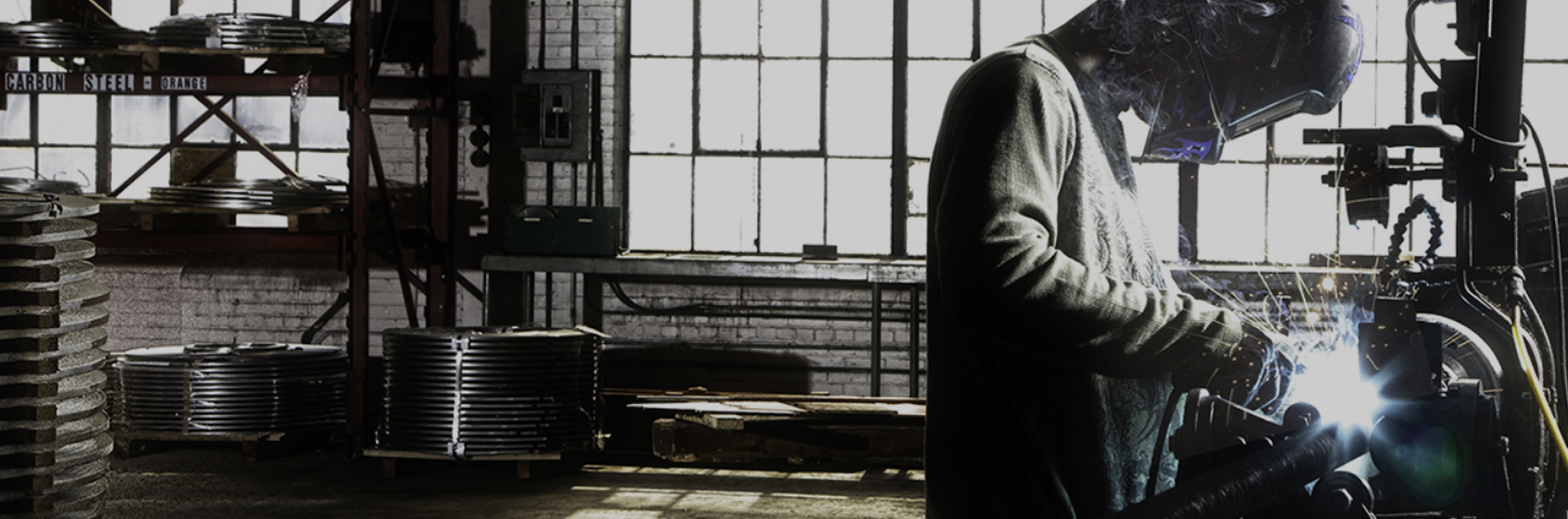
For finned products, an additional finning operation forms or attaches the fins using specialized equipment designed to maximize both mechanical integrity and thermal performance. The quality of this process is particularly important because poor fin attachment can reduce heat transfer efficiency and shorten the service life of the finished product.
Selecting the Right Heat Exchanger Tube
Choosing the proper heat exchanger tube requires careful evaluation of the operating environment. Engineers must consider the temperatures involved, system pressure, fluid characteristics, corrosion potential, required heat transfer rate, expected service life, and maintenance requirements.
For example, an HVAC coil intended to maximize energy efficiency may benefit from highly conductive copper finned tubes, while a chemical processing plant handling corrosive fluids may require stainless steel or nickel alloy tubing despite the higher material cost. Similarly, power generation equipment operating under extreme pressure often demands stronger materials capable of maintaining structural integrity for decades.
Balancing these considerations ensures that the selected tubing delivers optimal performance while minimizing lifecycle costs.
The Value of Working with an Experienced Heat Exchanger Tube Manufacturer
Although standard tubing is available through many suppliers, working directly with a specialized heat exchanger tube manufacturer offers significant advantages. Experienced manufacturers understand that every application has unique thermal requirements and can recommend the best combination of materials, dimensions, and fin configurations to achieve specific performance goals.
Custom manufacturing capabilities allow OEMs and engineers to specify tube diameters, wall thicknesses, fin heights, fin densities, tube lengths, and other critical dimensions that optimize heat transfer for their equipment. This level of customization often results in smaller, more efficient heat exchangers that reduce energy consumption while improving overall system reliability.
An experienced manufacturer also provides valuable engineering support throughout the design process, helping customers identify opportunities to improve thermal performance, reduce production costs, and simplify manufacturing. Consistent quality control, precision manufacturing, and dependable delivery schedules ensure that every tube meets the performance expectations of the finished product.
For companies building heating and cooling equipment, establishing a long-term relationship with a trusted manufacturer can become a competitive advantage.
Why Fin Tube Is a Trusted Partner for Heat Exchanger Tubes
At Fin Tube, heat exchanger tubes are more than just a product—they are the foundation of efficient thermal solutions. With decades of experience manufacturing high-quality finned tubing and heat transfer components, Fin Tube works closely with OEMs, equipment manufacturers, and industrial customers to deliver products that maximize performance and reliability.
Whether an application requires copper finned tubes for HVAC equipment, custom-engineered tubing for process heat exchangers, or specialized finning services for unique designs, Fin Tube provides the expertise and manufacturing capabilities to meet demanding specifications. Every product is manufactured with a focus on precision, consistency, and long-term performance, helping customers improve efficiency while reducing lifecycle costs.
By combining engineering expertise with advanced manufacturing processes, Fin Tube helps customers build heat exchangers that perform better, last longer, and operate more efficiently.
Conclusion
Heat exchanger tubes are the engine behind efficient heat transfer in countless industrial and commercial systems. While they may seem like simple components, their design, material selection, and manufacturing quality have a profound impact on the performance of an entire heat exchanger.
Whether used in HVAC equipment, refrigeration systems, food processing facilities, power plants, or chemical manufacturing, these tubes provide the pathway that allows heat to move safely and efficiently between fluids. Advances in materials, finning technologies, and manufacturing techniques continue to improve their performance, enabling smaller equipment, greater energy efficiency, and lower operating costs.
For organizations seeking dependable heat transfer solutions, partnering with an experienced manufacturer like Fin Tube ensures access to high-quality heat exchanger tubes engineered for maximum thermal performance. With the right tubing and the right manufacturing partner, businesses can build systems that deliver reliable, efficient operation for years to come.