
Finned Tubes: What They Are, How They're Manufactured, and Why Working Directly with the Manufacturer Matters
In industrial heat transfer, few components are as important—or as widely used—as finned tubes. Found inside everything from power plants and chemical processing facilities to HVAC systems and food manufacturing equipment, finned tubes are the backbone of countless heat exchangers that keep industrial processes running efficiently.
Yet despite their widespread use, many engineers, OEMs, and procurement specialists don't fully understand what distinguishes one finned tube from another or why choosing the right manufacturer can have a significant impact on equipment performance and operating costs.
Whether you're designing a new heat exchanger, replacing worn components, or looking to improve thermal efficiency, understanding how finned tubes work and how they're manufactured can help you make a more informed purchasing decision. At Fin Tube Products, manufacturing high-performance finned tubes isn't simply about producing components—it's about engineering solutions that maximize heat transfer, improve reliability, and deliver long-term value.
What Are Finned Tubes?
A finned tube is exactly what its name suggests: a heat transfer tube with metal fins attached to its outer surface. While a standard tube transfers heat only through its smooth exterior, the addition of fins dramatically increases the available surface area, allowing significantly more heat to move between the fluid inside the tube and the air or gas surrounding it.
This increased surface area is the secret behind the exceptional performance of finned tubes. Instead of requiring larger equipment to achieve greater heat transfer, manufacturers can add precisely engineered fins that allow more energy to be transferred using the same amount of space.
The concept is simple, but the results are substantial.
For example, hot water, steam, thermal oil, refrigerant, or another process fluid flows through the inside of the tube. As air passes over the exterior, heat moves through the tube wall and into the fins, which disperse it much more efficiently than a plain tube ever could. The same principle applies in reverse for cooling applications, where unwanted heat is removed from the process fluid and released into the surrounding air.
Because air is a relatively poor conductor of heat compared to liquids, increasing the external surface area is one of the most effective ways to improve heat exchanger performance. Finned tubes accomplish exactly that, making them indispensable across modern industry.
Why Finned Tubes Are So Important
The advantages of finned tubes extend far beyond simply increasing heat transfer. By making heat exchangers more efficient, they help reduce energy consumption, lower operating costs, and allow equipment to be designed with a much smaller footprint.
Businesses that rely on industrial heating or cooling benefit from:
- Greater heat transfer efficiency
- More compact heat exchanger designs
- Reduced fuel and energy consumption
- Lower operating costs
- Improved equipment performance
- Increased process reliability
- Longer equipment life
These benefits explain why finned tubes are found in applications as diverse as refinery process heaters, biomass boilers, HVAC systems, petrochemical plants, pharmaceutical manufacturing, food processing facilities, and renewable energy projects.
How Are Finned Tubes Manufactured?
Although all finned tubes serve the same purpose, not all are manufactured the same way. The manufacturing process directly influences thermal performance, mechanical strength, corrosion resistance, and service life.
Selecting the right fin type begins with understanding how each one is made.
Mechanical Finning
Mechanical finning is among the most common manufacturing methods. A continuous strip of aluminum or copper is wrapped tightly around the outside of the base tube using specialized finning equipment.
Several mechanical variations exist, including L-foot, LL-foot, and KL-foot designs. Each provides different levels of fin retention and corrosion protection while remaining an economical choice for moderate operating temperatures.
These finned tubes are commonly used in HVAC equipment, air-cooled heat exchangers, and general industrial applications where efficiency and affordability are equally important.
Embedded Finned Tubes
Embedded finned tubes—sometimes referred to as G-fin tubes—offer greater durability by mechanically locking the fin into the tube itself.
During manufacturing, a precise helical groove is machined into the tube. The fin strip is inserted into this groove while rollers displace the tube material over the base of the fin, creating an exceptionally secure mechanical bond.
The result is a finned tube capable of withstanding higher temperatures, greater vibration, and demanding industrial conditions.
Embedded finned tubes are widely used in refineries, power plants, chemical processing facilities, and waste heat recovery systems.
Extruded Finned Tubes
Extruded finned tubes are recognized for their durability and corrosion resistance.
Rather than attaching individual fins, manufacturers begin with an aluminum sleeve surrounding the base tube. Specialized extrusion equipment cold-works the aluminum into continuous fins while maintaining a solid protective layer around the tube.
Because the base tube is fully enclosed, extruded finned tubes provide outstanding resistance to moisture and corrosion, making them an excellent choice for offshore platforms, marine applications, coastal HVAC systems, and other harsh operating environments.
Welded Finned Tubes
When applications involve extreme temperatures or pressures, welded finned tubes are often the preferred solution.
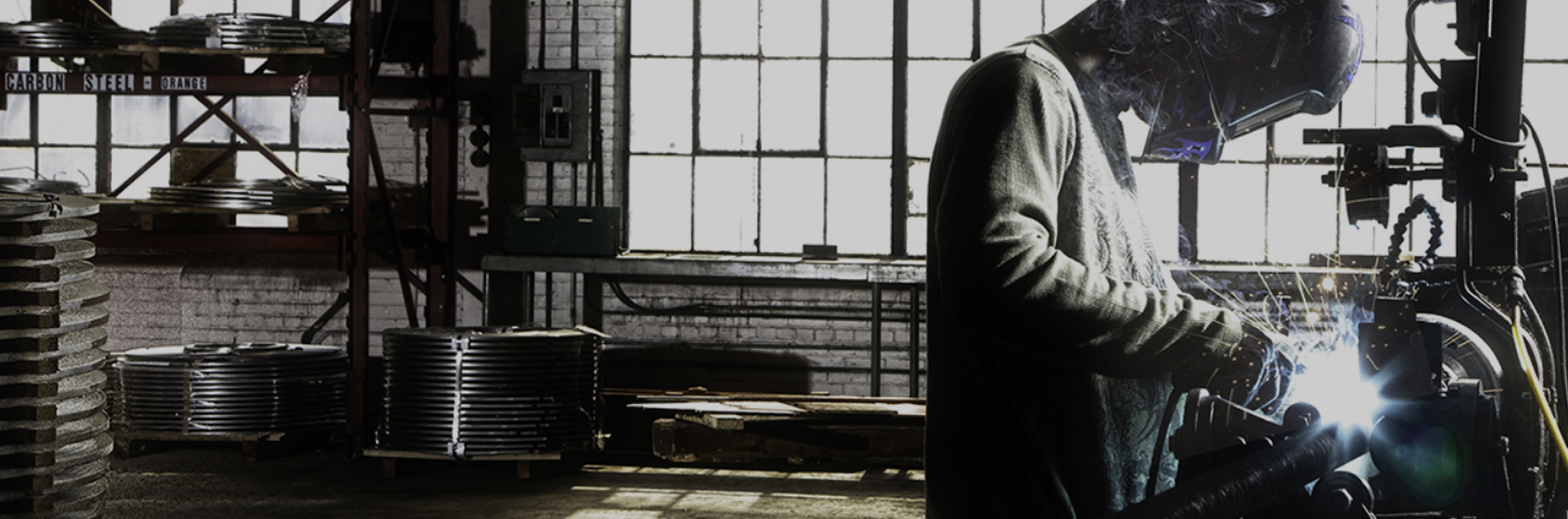
Using high-frequency resistance welding or laser welding, the fin is metallurgically bonded directly to the tube. Unlike mechanically attached fins, welded fins become an integral part of the tube through the welding process.
This creates exceptional mechanical strength while minimizing thermal resistance between the tube and fin.
Welded finned tubes are commonly found in:
- Industrial boilers
- Economizers
- Furnaces
- Petrochemical processing
- Waste heat recovery systems
Brazed Finned Tubes
Some applications require fins to be joined using brazing rather than welding or mechanical attachment.
In this process, the tube and fins are heated in a controlled atmosphere furnace until a brazing alloy flows between the components, permanently bonding them together.
Brazed finned tubes offer excellent thermal conductivity while allowing manufacturers to join dissimilar metals with minimal distortion.
Integral and Solid Finned Tubes
In the highest-performance applications, the fins are not attached at all—they are formed directly from the parent tube.
These integral or solid finned tubes eliminate the interface between the tube and fin, resulting in maximum thermal conductivity and exceptional durability.
Although more specialized to manufacture, they provide unmatched reliability in demanding industrial environments.
Mini Fin Tubes
Fin Tube Products is also known for manufacturing mini fin tubes, which feature extremely small, closely spaced fins that dramatically increase surface area within a compact design. Depending on the application, mini fin tubes can range from approximately 32 to more than 140 fins per inch, making them ideal for high-performance heat exchangers where space is limited but thermal efficiency is critical.
Producing mini fin tubes requires specialized precision equipment capable of maintaining exceptionally tight tolerances, ensuring consistent fin geometry and optimal airflow characteristics.
Materials Matter
Selecting the proper materials is just as important as selecting the manufacturing process.
Depending on the application, Fin Tube Products manufactures finned tubes using materials such as:
- Carbon steel
- Stainless steel
- Copper
- Copper nickel
- Titanium
- Duplex stainless steel
- Inconel
- Monel
Fin materials may include aluminum, copper, carbon steel, or stainless steel, allowing each tube to be engineered for its specific operating environment.
The right material combination ensures the best balance of thermal performance, corrosion resistance, strength, and longevity.
Industries That Depend on Finned Tubes
Virtually every industry that transfers heat uses finned tubes in some capacity.
Power generation facilities rely on them to improve boiler efficiency and recover waste heat. Oil and gas companies use them in air coolers, process heaters, and petrochemical systems. Chemical manufacturers depend on them for precise temperature control throughout complex production processes.
HVAC manufacturers use finned tubes in heating coils, cooling coils, condensers, evaporators, and air handling equipment, while food processors, pharmaceutical manufacturers, marine operators, renewable energy facilities, and industrial OEMs all rely on finned tubes to improve efficiency and reduce operating costs.
No matter the application, the objective remains the same: transfer more heat while using less energy.
Why Work Directly with a Finned Tube Manufacturer?
Purchasing finned tubes through a distributor may seem convenient, but working directly with the manufacturer offers advantages that can significantly improve project outcomes.
Engineering Expertise
Every heat exchanger has unique operating conditions. Working directly with a manufacturer gives customers access to engineers who understand heat transfer, material selection, and manufacturing processes.
Rather than simply selling a catalog item, manufacturers help optimize:
- Fin geometry
- Tube materials
- Fin materials
- Tube dimensions
- Operating performance
- Equipment longevity
This collaborative approach often results in higher efficiency and lower lifecycle costs.
Custom Manufacturing
Few industrial heat exchangers are truly "off the shelf."
Fin Tube Products manufactures custom finned tubes tailored to exact customer specifications, including specialized dimensions, materials, fin configurations, tube bending, and end preparations.
This flexibility allows engineers to design equipment around performance requirements instead of being limited by standard inventory.
Consistent Quality
Quality begins on the manufacturing floor.
By controlling every stage of production—from raw material selection to final inspection—Fin Tube Products maintains precise tolerances, consistent fin geometry, reliable attachment methods, and comprehensive quality assurance procedures.
The result is predictable performance across every production run.
Faster Technical Support
When questions arise, direct communication matters.
Working directly with the manufacturer eliminates unnecessary layers between the customer and the people designing and building the product. Technical questions can be answered more quickly, specification changes can be addressed efficiently, and projects can move forward without delays caused by third-party communication.
Manufacturing Flexibility
Industrial projects often evolve.
Whether customers require prototype development, short production runs, large-volume manufacturing, expedited deliveries, or emergency replacement tubes, working directly with the manufacturer provides greater production flexibility than relying solely on distributor inventory.
Lower Total Cost of Ownership
The least expensive component is not always the most economical solution.
High-quality finned tubes manufactured for the specific application often produce measurable savings through:
- Better thermal efficiency
- Reduced energy usage
- Lower maintenance costs
- Longer service life
- Fewer unexpected shutdowns
- Improved equipment reliability
Over the life of a heat exchanger, these operational savings frequently outweigh any difference in initial purchase price.
Why Choose Fin Tube Products?
For decades, Fin Tube Products has built a reputation as a trusted manufacturer of precision-engineered finned tubes for customers across North America and around the world. The company's expertise spans a broad range of manufacturing methods, including embedded finned tubes, extruded finned tubes, welded finned tubes, solid fin tubes, and advanced mini fin tubes, allowing it to meet the demanding requirements of virtually any heat transfer application.
More importantly, Fin Tube Products works as a true engineering partner. Every project begins with understanding the customer's operating conditions, performance objectives, and design constraints before recommending the optimal fin configuration and manufacturing process.
This collaborative approach results in heat transfer solutions that maximize efficiency, improve reliability, and deliver long-term value.
The Bottom Line
Finned tubes may appear to be simple components, but they play an essential role in the performance of modern heat exchangers. Their ability to dramatically increase heat transfer makes them indispensable in industries ranging from HVAC and food processing to power generation, chemical manufacturing, and oil and gas.
Just as important as selecting the right finned tube is selecting the right manufacturer. By working directly with Fin Tube Products, customers gain access to decades of engineering expertise, advanced manufacturing capabilities, precision quality control, and customized solutions designed to meet the unique demands of their applications.
When efficiency, reliability, and long-term performance matter, partnering with an experienced finned tube manufacturer is one of the smartest investments an organization can make—and Fin Tube Products is ready to help deliver the heat transfer solution your application demands.